

- 翻譯公司資訊
-
女性糾結(jié)穿啥一生耗時(shí)五個(gè)月!網(wǎng)友:那也是最快樂(lè)的五個(gè)月
發(fā)布時(shí)間:2019-07-22 08:43 點(diǎn)擊:
英國(guó)一項(xiàng)調(diào)查發(fā)現(xiàn),女性一生在糾結(jié)穿什么的問(wèn)題上累計(jì)耗時(shí)約五個(gè)月。
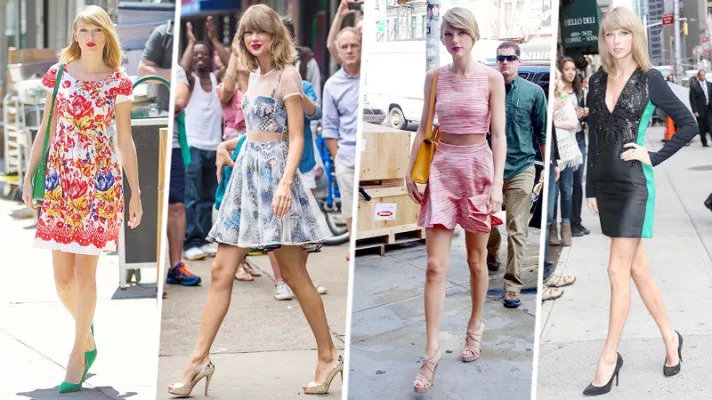
A study of 2,000 women, commissioned by UK uniform supplier Simon Jersey, finds the average woman spends more than an hour per week—for a total of three days each year, or five months over a woman's working life from age 18 to 65—choosing what to wear.
英國(guó)制服供應(yīng)商西蒙·澤西委托開(kāi)展了一項(xiàng)針對(duì)2000名女性的研究,調(diào)查發(fā)現(xiàn),女性從18歲至65歲,平均每周花在選擇穿什么上的時(shí)間超過(guò)一小時(shí)、一年花費(fèi)三天,共計(jì)五個(gè)月。
這項(xiàng)2015年的調(diào)查稱(chēng),具體到天,女性平均每個(gè)工作日早晨為挑選衣服耗時(shí)12分鐘,周末早晨耗時(shí)10分鐘,晚上外出活動(dòng)耗時(shí)27.5分鐘。
It breaks down to about 12 minutes every workday morning, 10 minutes every weekend morning, and about 27.5 minutes before a night out.
此外,半數(shù)女性受訪(fǎng)者還表示會(huì)在前一天晚上或第二天起床前擔(dān)心自己的著裝問(wèn)題。
Half of women also worry about their outfit the night before or before getting out of bed in the morning.
三分之二的女性坦言,就算衣服已經(jīng)準(zhǔn)備好了,仍會(huì)在出門(mén)之前試穿多套衣服。還有15%的受訪(fǎng)者稱(chēng)出門(mén)后會(huì)后悔自己的今日穿搭,然后又返回家中更換。
Even with all that planning, two-thirds of women admit to trying on multiple outfits before leaving the house; about 15% have regretted their choice and returned to pick something else.

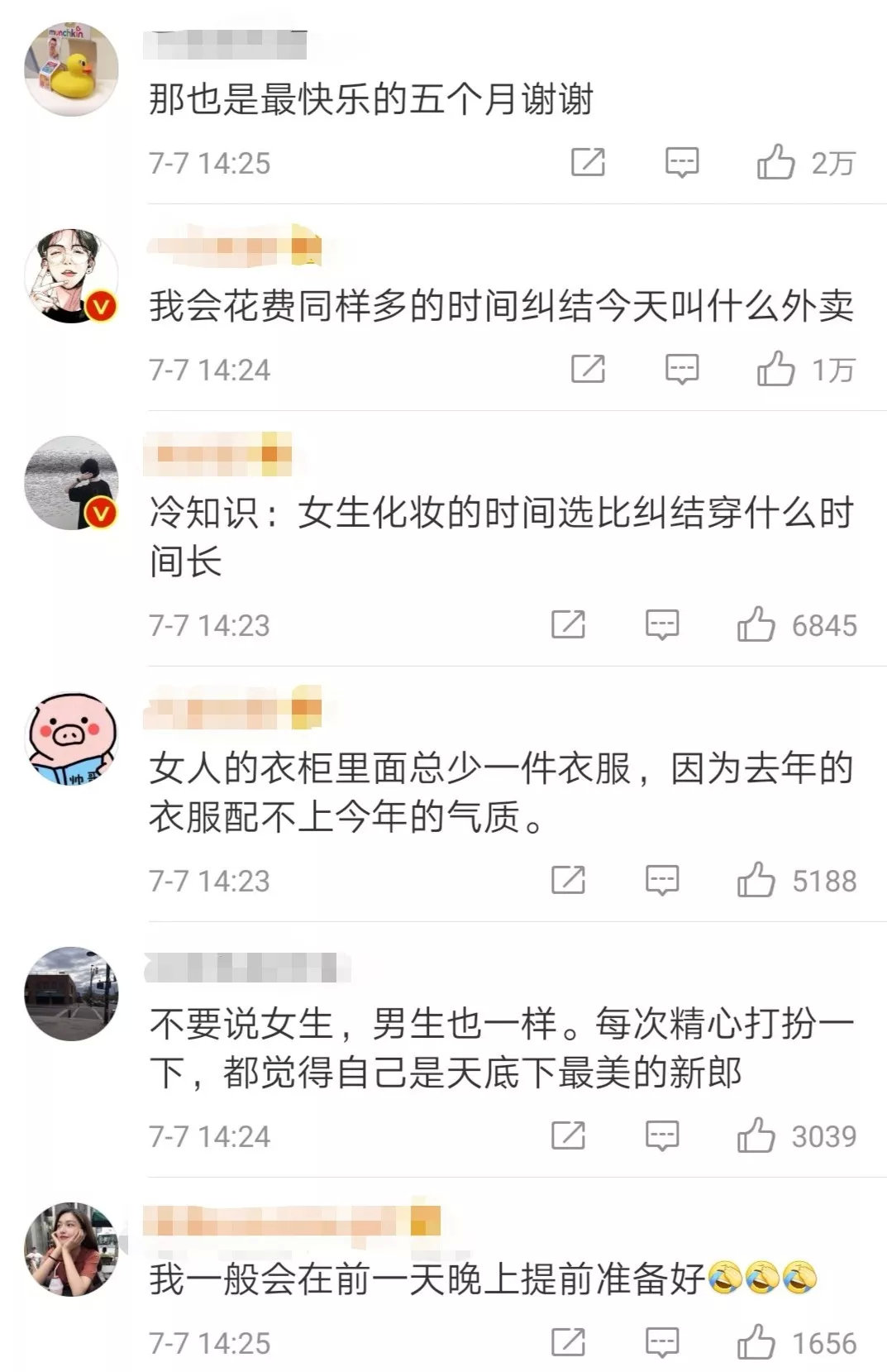
對(duì)此調(diào)查,網(wǎng)友們紛紛表示:那也是最快樂(lè)的5個(gè)月……
還有人表示,會(huì)花費(fèi)同樣的時(shí)間糾結(jié)今天叫什么外賣(mài)……
這讓我想起了《鏡報(bào)》2016年報(bào)道的一項(xiàng)英國(guó)實(shí)驗(yàn):
The study of 2,000 Brits found the average wardrobe contains 152 items, but just 44 percent of these are worn regularly.
這項(xiàng)由2000名英國(guó)人參與的調(diào)查發(fā)現(xiàn),平均每人的衣櫥里有152件衣服,而常穿的平均只有44%。
There are 3.6 billion clothes left unworn in the nation's wardrobes – a whopping 57 items per person – with an average of 16 items only worn once and 11 still with the tags on.
英國(guó)人的衣柜里有36萬(wàn)件衣服是沒(méi)穿過(guò)的,平均下來(lái)是每人57件。此外,平均16件衣服只穿過(guò)一次,11件連標(biāo)簽都沒(méi)撕。
這樣的體驗(yàn)相信不少女生都有。明明一大衣櫥的衣服,但還是覺(jué)得沒(méi)衣服穿。
沒(méi)完沒(méi)了地買(mǎi)衣服,試衣服,是什么讓女生陷入這樣的怪圈呢?
女性為何糾結(jié)穿搭?
❶ 上班服裝難把握
部分女性初入職場(chǎng)時(shí)往往擔(dān)心著裝不適合工作環(huán)境,因而花費(fèi)較多時(shí)間挑選衣服。
37% of women who say choosing an outfit is stressful cite concerns about whether their choice is suitable for work.
37%的女性認(rèn)為選衣服壓力山大,因?yàn)閾?dān)心自己挑選的著裝是否適合穿去上班。
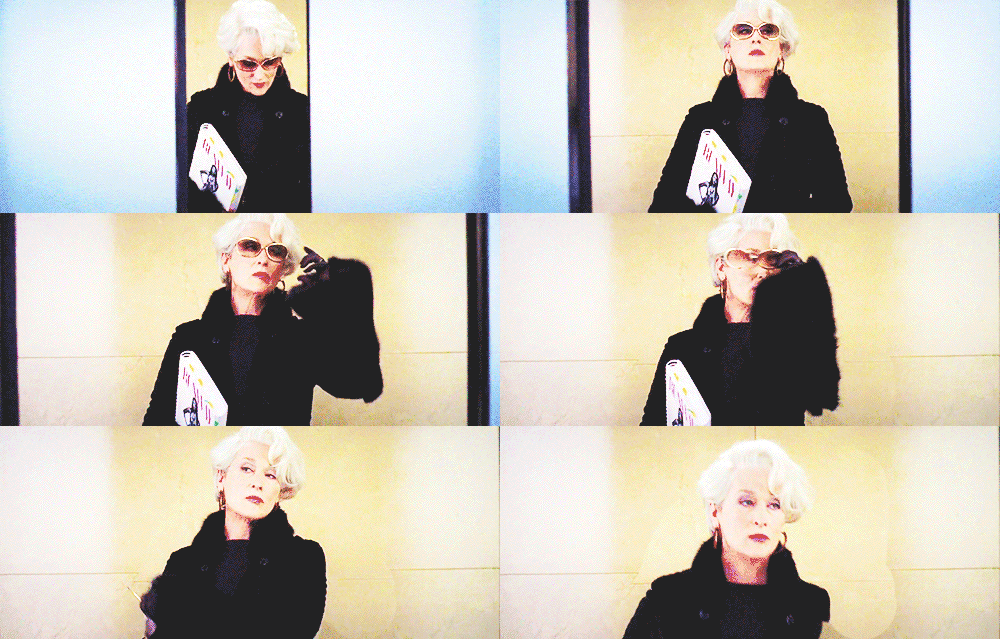
有人認(rèn)為沒(méi)有穿搭要求(dress code)的公司在穿上可以省點(diǎn)心?錯(cuò)!
其實(shí)天天穿套裝比每天挑出一套優(yōu)雅不輕浮、時(shí)尚不休閑的衣服穿來(lái)上班簡(jiǎn)單多了。
❷ 女性要在眾多選擇中找到自我表達(dá)的方式
男生們也許會(huì)吐槽,為什么自己拾掇一下兩分鐘就能出門(mén),而女朋友卻要花一個(gè)多小時(shí)化妝、選衣服……這也許和社會(huì)給了女性太多選擇有關(guān)。
Women just have a wider range of beauty practices available to them—they can go to work in suits or maxi dresses, stilettos or brogues. They can wear their hair long or short, and wear makeup, or not.
在打扮上,女性的選擇可廣泛多了。就拿上班來(lái)說(shuō),她們可以穿套裝、長(zhǎng)裙、細(xì)高跟鞋或粗革皮鞋。她們可以選擇長(zhǎng)發(fā)或短發(fā),也可以化妝或不化妝。

Men, in contrast, have a much more limited set of socially acceptable options for presenting themselves as professionals—relatively short hair, shirts and ties, perhaps a Marco Rubio boot if they're feeling adventurous.
相比之下,男性要展現(xiàn)一個(gè)專(zhuān)業(yè)人士的形象,社會(huì)可接受的選擇則相對(duì)有限——比如較短的頭發(fā),襯衫配領(lǐng)帶,如果想有些大膽嘗試的話(huà),可以穿一雙馬可·魯比奧的靴子。
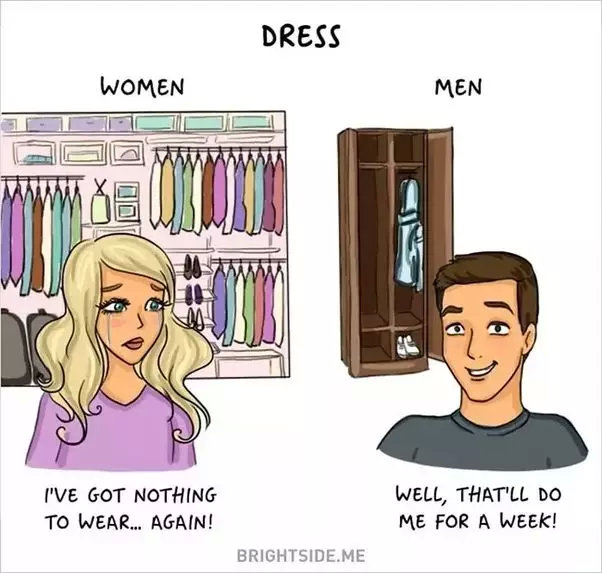
From this perspective, women's beauty practices might be seen primarily as a form of creative self-expression—a view that many women do endorse.
從這個(gè)角度來(lái)看,女性裝扮自己可能主要被視為一種創(chuàng)造性的自我表達(dá)形式——這一觀(guān)點(diǎn)得到了許多女性的認(rèn)可。
❸ 追趕時(shí)尚是個(gè)技術(shù)活……
站在一衣櫥的衣服前難以抉擇的另一個(gè)原因,也許是時(shí)尚界格外青睞女性服飾,花樣繁多、形式多樣,而時(shí)尚潮流又總是轉(zhuǎn)瞬即逝,導(dǎo)致追求時(shí)尚成為了一個(gè)費(fèi)時(shí)費(fèi)腦的活……
Women's clothes come in and out of fashion far more frequently than men's. And women are judged more harshly on this measure.
女性服裝比男性服裝更容易成為時(shí)尚,也更容易被時(shí)尚淘汰,人們也更加嚴(yán)苛地看待女性著裝是否時(shí)尚。

❹ 穿什么都好看!
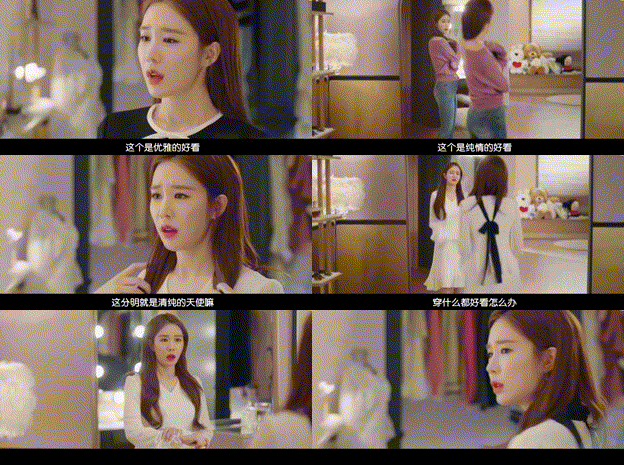
是不是還有一部分小仙女是因?yàn)榇┦裁炊己每床艑?dǎo)致選擇困難?
襯衫牛仔瀟灑、短裙俏皮、長(zhǎng)裙優(yōu)雅……真是難選。

高效出門(mén)的萬(wàn)能穿搭法
那么,如何避免穿搭誤區(qū)?
時(shí)尚雜志Cosmopolitan認(rèn)為最重要的就是“量體穿衣”(dress according to your body shape)。
Not everything can look amazing on everyone. But on the other hand, certain fits can accentuate your body and get you insta-ready real quick. All you gotta do is remember to dress for your body shape, and you've officially conquered the style game.
并非所有衣服都適合每個(gè)人。但另一方面,某些合身的衣服可以凸顯你的身材,讓你快速達(dá)到能拍照發(fā)Ins的狀態(tài)。只要根據(jù)你的體型來(lái)穿衣,就能征服所謂時(shí)尚游戲。
沙漏型身材
hourglass bodies


裙裝是最好的選擇!
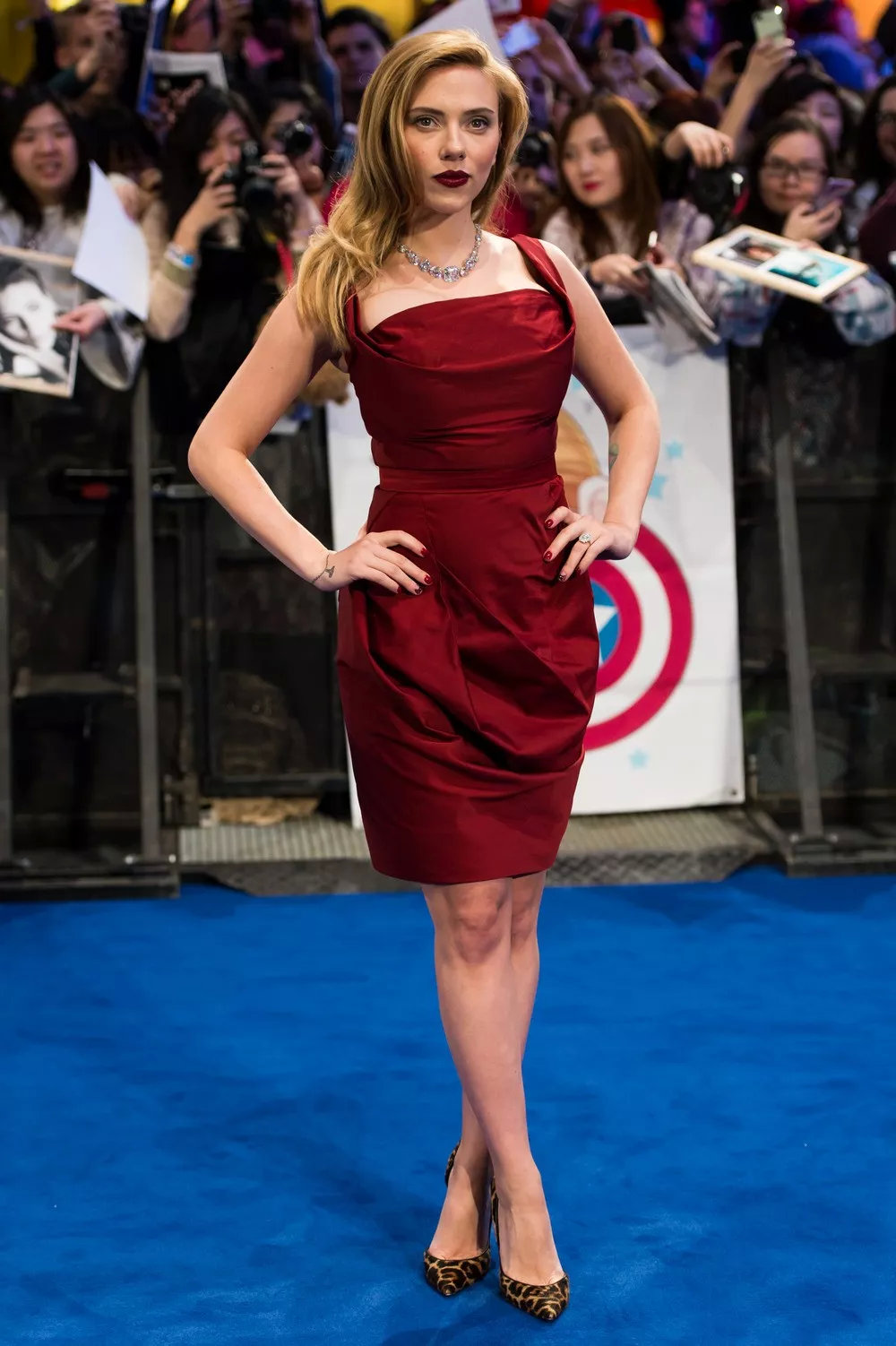
沙漏通常被譽(yù)為最理想的體型(the most desirable body shape),只要造型正確,你可以看起來(lái)相當(dāng)時(shí)尚前衛(wèi)(super fashion-forward)。
如果你是沙漏型身材,規(guī)則最簡(jiǎn)單:重點(diǎn)都在腰部。
It's all about the waist.
宜
Literally "dress" it up for every occasion. Dresses are the best option because they cinch your waist in most cases (depending on the dress) and give you a defined shape.
不論什么場(chǎng)合,能穿裙子就穿裙子,因?yàn)槎鄶?shù)情況下裙裝能收緊你的腰身(取決于連衣裙的樣式)襯托出你的好身材。
忌
Don't wear flowy blouses. They don't do any justice to your figure and hide your waist instead accentuating it. A no-go for sure.
不要穿松垮的襯衫,絕對(duì)會(huì)毀了你的身材,它遮住了你的腰身而不是凸顯。絕對(duì)是個(gè)坑。
梨型身材
pear-shaped bodies

穿高腰且稍寬松的闊腿褲,既不勒腿,還能完美襯托出你的體型。
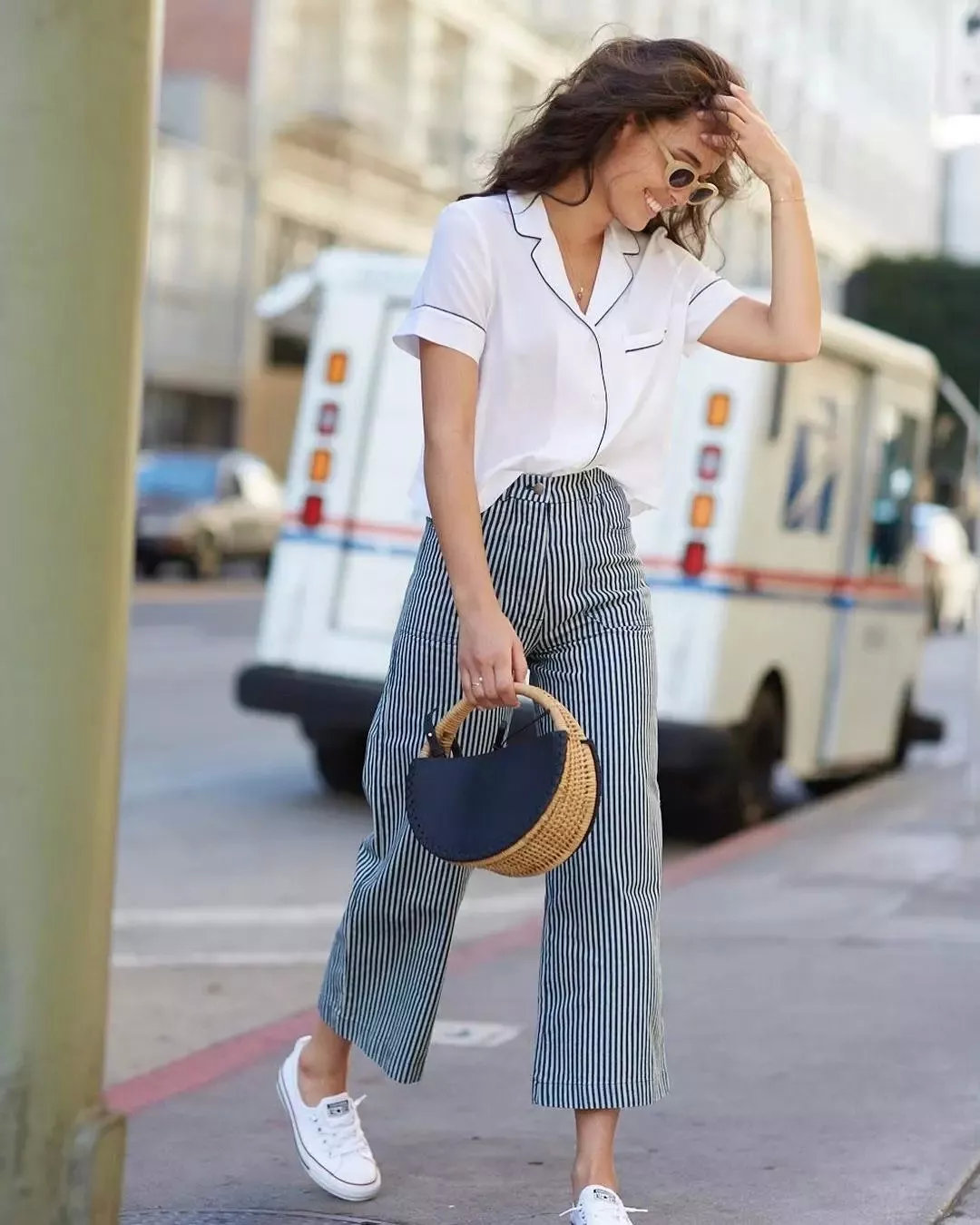
所以你是上身還行,但腰臀部分有贅肉?別擔(dān)心。
對(duì)于那些臀部/腿部較粗大,軀干/手臂較瘦的人(with bigger hips/legs and small torsos/arms),著裝指導(dǎo)很簡(jiǎn)單。
宜
Wear high-waisted and slightly loose jeans. They will highlight your wider hips and make your body shape stand out without clinging to your legs.
選擇高腰略寬松的牛仔褲。這樣會(huì)突出你豐腴的臀線(xiàn),使你的體型突出又不勒腿。
Wear form-fitting blouses to make your smaller arms stand out.
穿合身的襯衫,凸顯出小臂的纖細(xì)。
忌
Don't wear long skirts. Not only will they hide your best features — your legs and hips, but they will also make your legs look much bigger than they are.
遠(yuǎn)離長(zhǎng)裙。長(zhǎng)裙不僅會(huì)藏住你體型中最好的部分,也就是你的腿和臀部,而且還會(huì)讓你的腿看起來(lái)比原來(lái)的樣子粗壯很多。
蘋(píng)果型身材
apple-shaped bodies
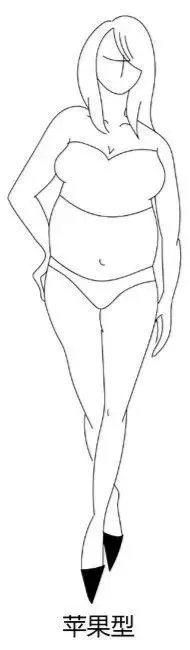
選擇一件有型的夾克,可以讓你的腰身看起來(lái)更苗條,身體更顯曲線(xiàn)。
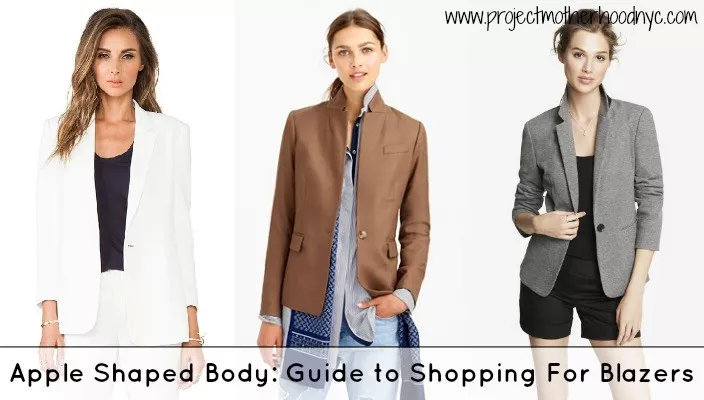
中部凸起的體型(a centre-heavy body)一開(kāi)始可能看著比較棘手,但實(shí)際上很簡(jiǎn)單的!
你只需要記住把人們的注意力吸引到你的手臂和腿上,而不是腹部和胸部(draw attention towards your arms and legs instead of your stomach and bust)。
宜
Pick high-waisted bottoms. Whether it be shorts, a skirt, or jeans, it's best to opt for the high-waisted option to focus attention away from the torso region and highlight the legs.
挑選高腰的下裝。無(wú)論是短褲、短裙還是牛仔褲,最好選擇高腰款,這樣可以將人們的注意力從軀干移開(kāi),突出大長(zhǎng)腿。
Choose a structured jacket. It's best to wear a simple cut blazer or sweater that will minimize your waist and create curves in your torso.
選擇立挺有型的外套。最好穿一件簡(jiǎn)約型的上裝或毛衣,這樣可以讓你的腰沒(méi)那么粗,而且很有型。
忌
Don't wear extremely tight tops. This will make your torso, the region where most of your body weight is, look more prominent.
跟緊身上衣說(shuō)拜拜吧。它會(huì)讓你的軀干——身體最胖的部位——看起來(lái)更臃腫。
你會(huì)因?yàn)榇┐罴m結(jié)多久呢?
Unitrans世聯(lián)翻譯公司在您身邊,離您近的翻譯公司,心貼心的專(zhuān)業(yè)服務(wù),專(zhuān)業(yè)的全球語(yǔ)言翻譯與信息解決方案供應(yīng)商,專(zhuān)業(yè)翻譯機(jī)構(gòu)品牌。無(wú)論在本地,國(guó)內(nèi)還是海外,我們的專(zhuān)業(yè)、星級(jí)體貼服務(wù),為您的事業(yè)加速!世聯(lián)翻譯公司在北京、上海、深圳等國(guó)際交往城市設(shè)有翻譯基地,業(yè)務(wù)覆蓋全國(guó)城市。每天有近百萬(wàn)字節(jié)的信息和貿(mào)易通過(guò)世聯(lián)走向全球!積累了大量政商用戶(hù)數(shù)據(jù),翻譯人才庫(kù)數(shù)據(jù),多語(yǔ)種語(yǔ)料庫(kù)大數(shù)據(jù)。世聯(lián)品牌和服務(wù)品質(zhì)已得到政務(wù)防務(wù)和國(guó)際組織、跨國(guó)公司和大中型企業(yè)等近萬(wàn)用戶(hù)的認(rèn)可。 專(zhuān)業(yè)翻譯公司,北京翻譯公司,上海翻譯公司,英文翻譯,日文翻譯,韓語(yǔ)翻譯,翻譯公司排行榜,翻譯公司收費(fèi)價(jià)格表,翻譯公司收費(fèi)標(biāo)準(zhǔn),翻譯公司北京,翻譯公司上海。